
Waterfront & Yacht Ownership · 1 min read
Florida Gulf Pass Dynamics: Hull Choice and Navigation Realities
Selecting and operating a vessel along Florida's Gulf Coast requires a realistic understanding of dynamic inlets, changing sandbars, and unpredictable water depths.
By Premium Yacht Marketplace Editorial ·
Waterfront & Yacht Ownership Companion
Written for boat owners and buyers, based on analysis from Waterfront Yacht Homes. Read the full waterfront analysis on Waterfront Yacht Homes.
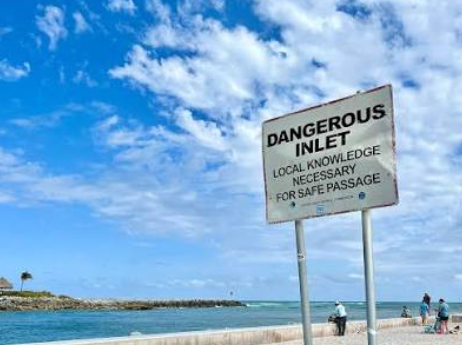
Selecting and operating a vessel along Florida's Gulf Coast requires a realistic understanding of dynamic inlets, changing sandbars, and unpredictable water depths. Coastal passes from Tampa Bay through southwest Florida experience rapid shoaling driven by seasonal storms, tidal flows, and longshore drift, rendering digital chartplotters potentially outdated between formal surveys. For boat buyers and yacht owners, these volatile conditions make draft requirements and propulsion configuration central factors in vessel selection and ongoing operational costs. Vessels equipped with outboard engines or stern drives offer significant operational flexibility in these shallow waters, as skippers can trim the running gear upward if unexpected shoaling occurs. Conversely, deep-draft sailboats, traditional inboards, and pod-drive yachts face elevated financial risk from bottom strikes. Fixed running gear demands greater conservative clearance and strict avoidance of unstable cuts such as Big Sarasota Pass during heavy seas. Furthermore, fixed infrastructure like the drawbridge at Longboat Pass introduces cross-current hazards on outgoing tides, demanding precise low-speed maneuvering. Protecting running gear and ensuring consistent water access hinges on disciplined passage planning. Navigators should cross-reference weekly Coast Guard Local Notices to Mariners and regional hydrographic surveys from the Army Corps of Engineers or West Coast Inland Navigation District. On the water, transiting unfamiliar cuts at displacement speeds during rising tides minimizes grounding hazards. Polarized eyewear and visual surface cues, such as breaking waves and distinct water color transitions, must supplement onboard depth sounders. Should a vessel brush the predominantly sandy seabed common south of Tarpon Springs, operators should immediately resist the urge to accelerate forward. Shifting gently into reverse to retrace the entry track into deeper water prevents minor bottom contact from escalating into severe structural damage or costly salvage bills.
Next on Premium Yacht Marketplace
Navigating Shifting Inlets and Pass Shoaling on Florida's Gulf Coast
Talk to a broker
Working through a specific boat?
We answer every inquiry personally. Send the boat, the year, and what you're trying to decide.