
Waterfront & Yacht Ownership · 1 min read
Gulf Coast Vessel Dockage: Evaluating Slips, Lifts, and Storage Capacities
Securing appropriate moorage along the central Gulf Coast requires buyers and yacht owners to carefully reconcile their vessel specifications with local marina capabilities.
By Premium Yacht Marketplace Editorial ·
Waterfront & Yacht Ownership Companion
Written for boat owners and buyers, based on analysis from Waterfront Yacht Homes. Read the full waterfront analysis on Waterfront Yacht Homes.
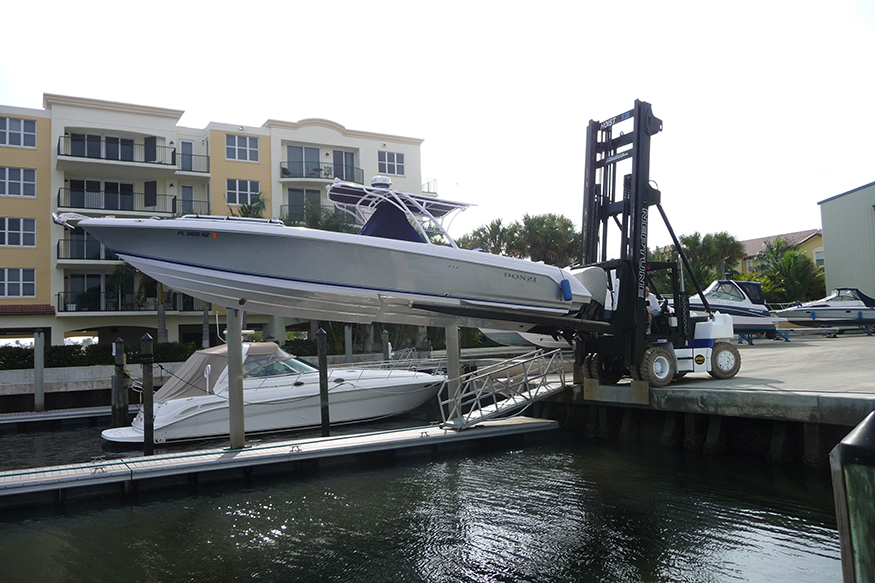
Securing appropriate moorage along the central Gulf Coast requires buyers and yacht owners to carefully reconcile their vessel specifications with local marina capabilities. When planning for a yacht purchase or relocation, overall length, beam, height, and wet weight dictate where a craft can physically fit. Private dry-stack facilities enforce strict thresholds on dimensions and weight, utilizing equipment such as twenty-thousand-pound forklifts or seventy-five-ton Travelifts capable of handling beams up to twenty-four feet. While private operations accommodate vessels up to forty feet in dry racks and up to one hundred and fifty feet in wet slips, lift equipment at select regional hubs supports vessels up to fifty-three feet. For owners considering municipal basins, availability presents a primary operational challenge. Public marinas in urban centers like Tampa feature limited permanent slips subject to waitlists extending from one to two years. Consequently, owners must often rely on short-term transient berths or valet dry storage as transitional measures, which carry higher monthly expenses than long-term leases. Transient bookings introduce distinct restrictions, such as thirty-day advance reservation windows and fourteen-day maximum limits on municipal mooring balls. Beyond physical slip capacity, prospective owners must evaluate crucial navigational and utility infrastructure. Shore power compatibility, typically ranging between thirty-amp and fifty-amp service, must match onboard electrical demands. Basin access demands thorough verification of channel approach depths, local tidal ranges, and overhead bridge clearances to prevent grounding or superstructure damage. Furthermore, owners should account for transit duration to open water, the distinction between floating and fixed docks, and facility-specific storm protocols to safeguard their investment and maintain realistic long-term operational costs.
Next on Premium Yacht Marketplace
Marina Slip Leasing, Waitlists, and Dry Storage from Tampa Bay to Sarasota
Talk to a broker
Working through a specific boat?
We answer every inquiry personally. Send the boat, the year, and what you're trying to decide.