
Waterfront & Yacht Ownership · 1 min read
Matching Vessel Specifications to Dockside Hoist Systems and Coastal Waterways
Choosing a boat or evaluating waterfront real estate requires careful alignment between vessel dimensions, coastal waterway geography, and the mechanical infrastructure supporting the hull out of the water.
By Premium Yacht Marketplace Editorial ·
Waterfront & Yacht Ownership Companion
Written for boat owners and buyers, based on analysis from Waterfront Yacht Homes. Read the full waterfront analysis on Waterfront Yacht Homes.
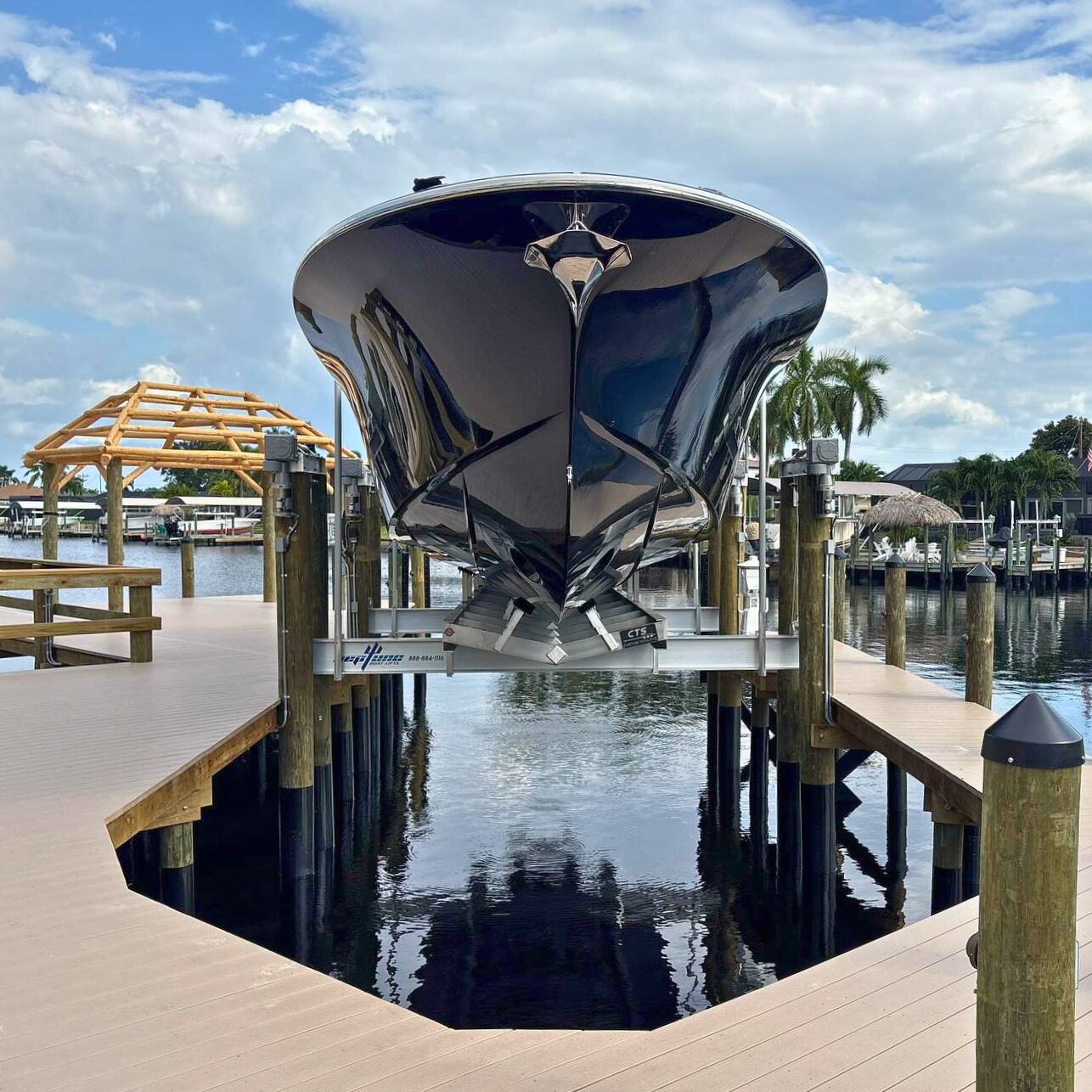
Choosing a boat or evaluating waterfront real estate requires careful alignment between vessel dimensions, coastal waterway geography, and the mechanical infrastructure supporting the hull out of the water. In shallow or narrow residential canals, traditional multi-post configurations can encroach on navigable fairways or violate local setback rules. Here, track-mounted elevator systems attached directly to reinforced seawalls or single piling lines lift vessels inward toward shore, preserving channel clearance. These engineered units can accommodate loads exceeding twenty thousand pounds, provided the seawall possesses sufficient structural integrity. For soft-bottom zones where pile driving is impractical, bottom-standing scissor or column mechanisms support standard residential capacities up to fourteen thousand pounds, though footprints exceeding two hundred square feet require environmental regulatory review. In wider waterways, open bays, and parcels with deeper approaches, traditional multi-post vertical designs account for more than half of installations due to their reliable multi-cable weight distribution across fluctuating tides. In locations subject to heavier currents and boat wakes, high-speed marine hydraulic systems raise hulls at rates topping three feet per minute, minimizing hull exposure to rough conditions. However, rapid hydraulic cycling demands consistent long-term mechanical servicing. Prospective buyers must verify water depth at mean low water across both the navigation channel and slip footprint. If local waterway depths, canal widths, or association guidelines prevent extending docks to reach adequate depth, factoring off-site marina berths or dry storage into long-term ownership costs becomes essential. Additionally, enduring harsh subtropical saltwater environments demands marine-grade aluminum cradles, stainless steel hardware, and sealed drive units to prevent corrosion. Conducting thorough due diligence on existing lift capacity plates, seawall tie-backs, and municipal clearances ensures chosen hardware safely sustains vessel weight and maintains property value.
Next on Premium Yacht Marketplace
Selecting the Right Boat Lift Mechanism for Southwest Florida Waterways
Talk to a broker
Working through a specific boat?
We answer every inquiry personally. Send the boat, the year, and what you're trying to decide.