
Slow down, and the coast opens up in a whole new way. A trawler is for those who believe the journey itself is the destination.
What a trawler is
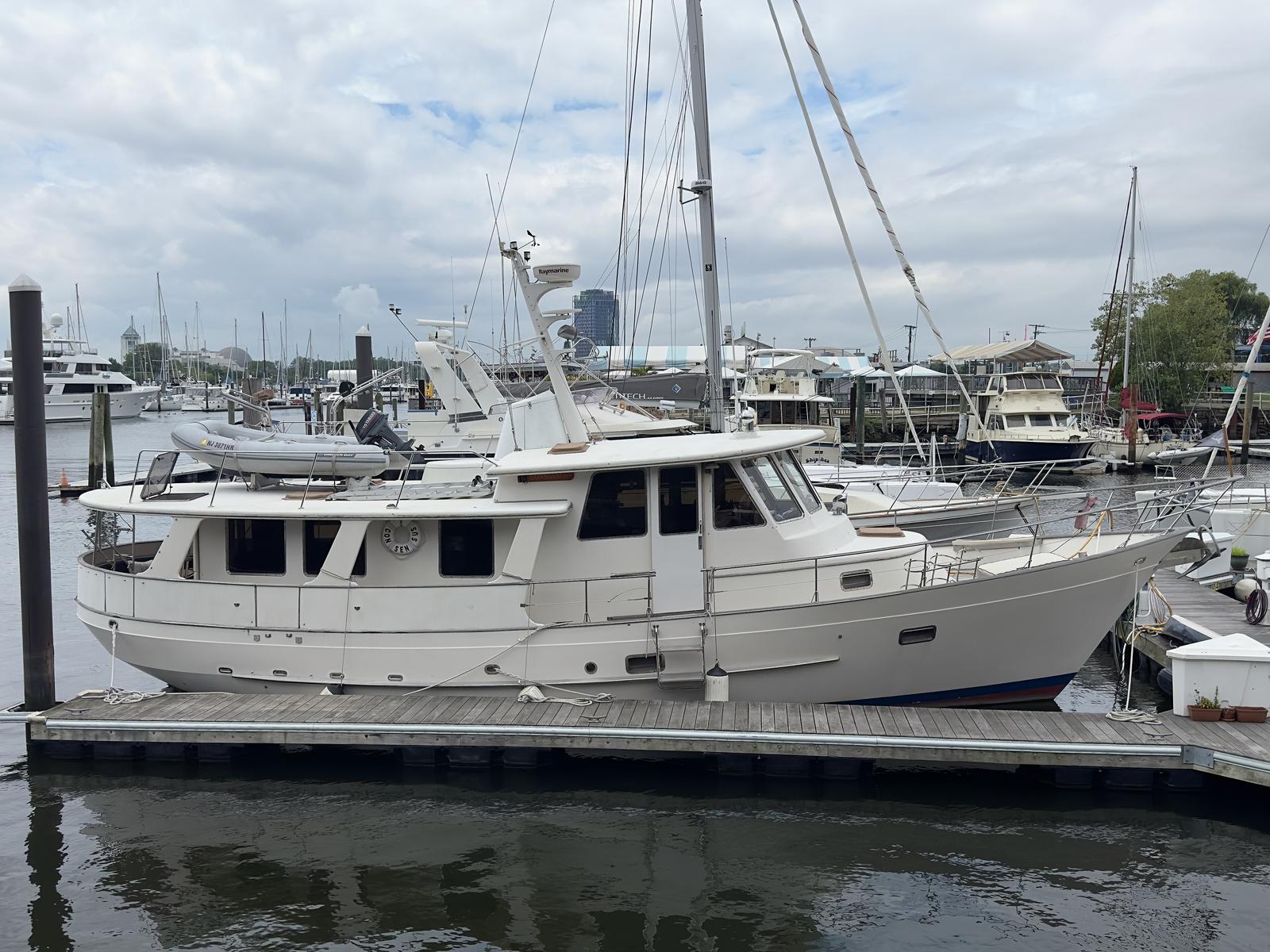
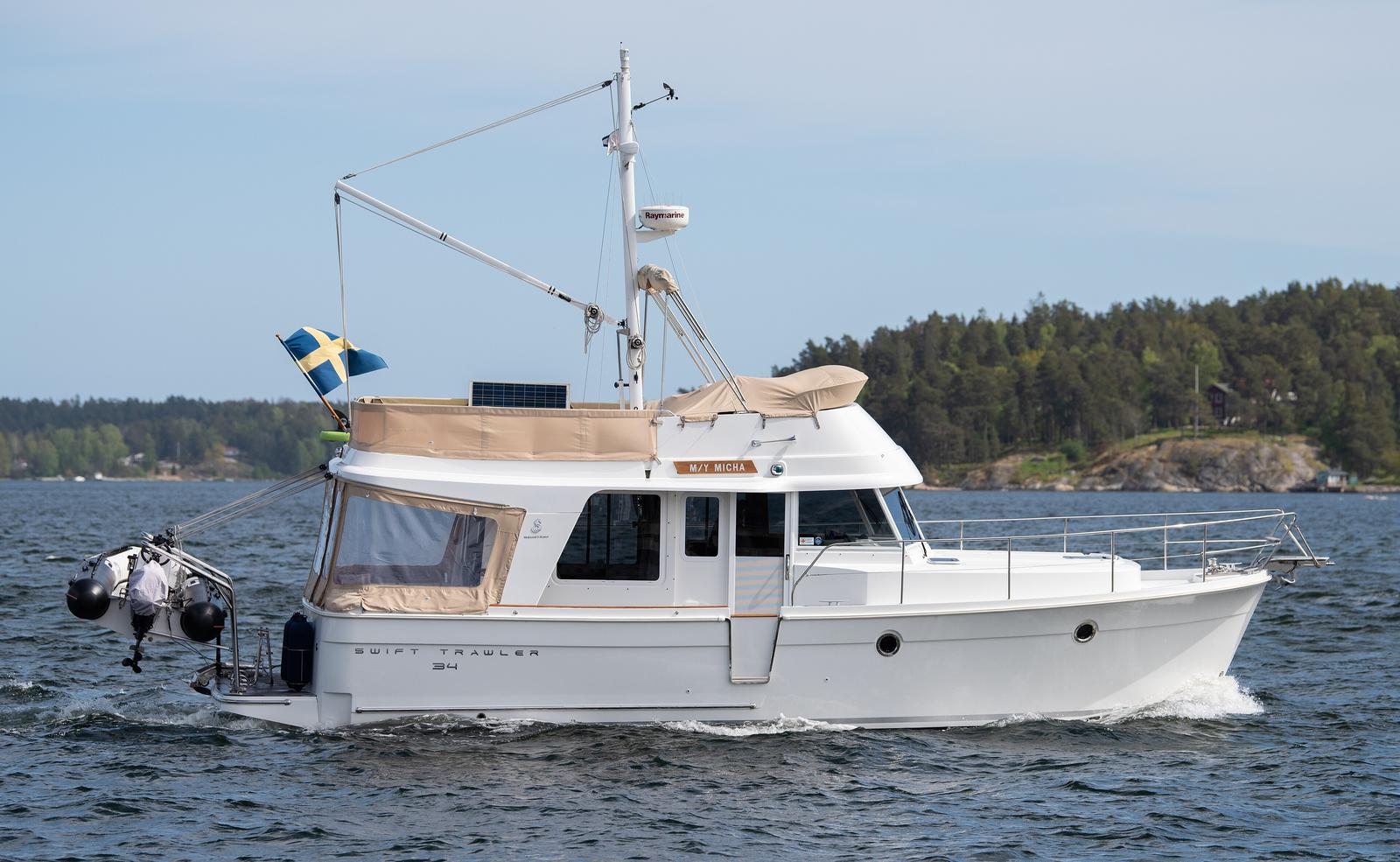
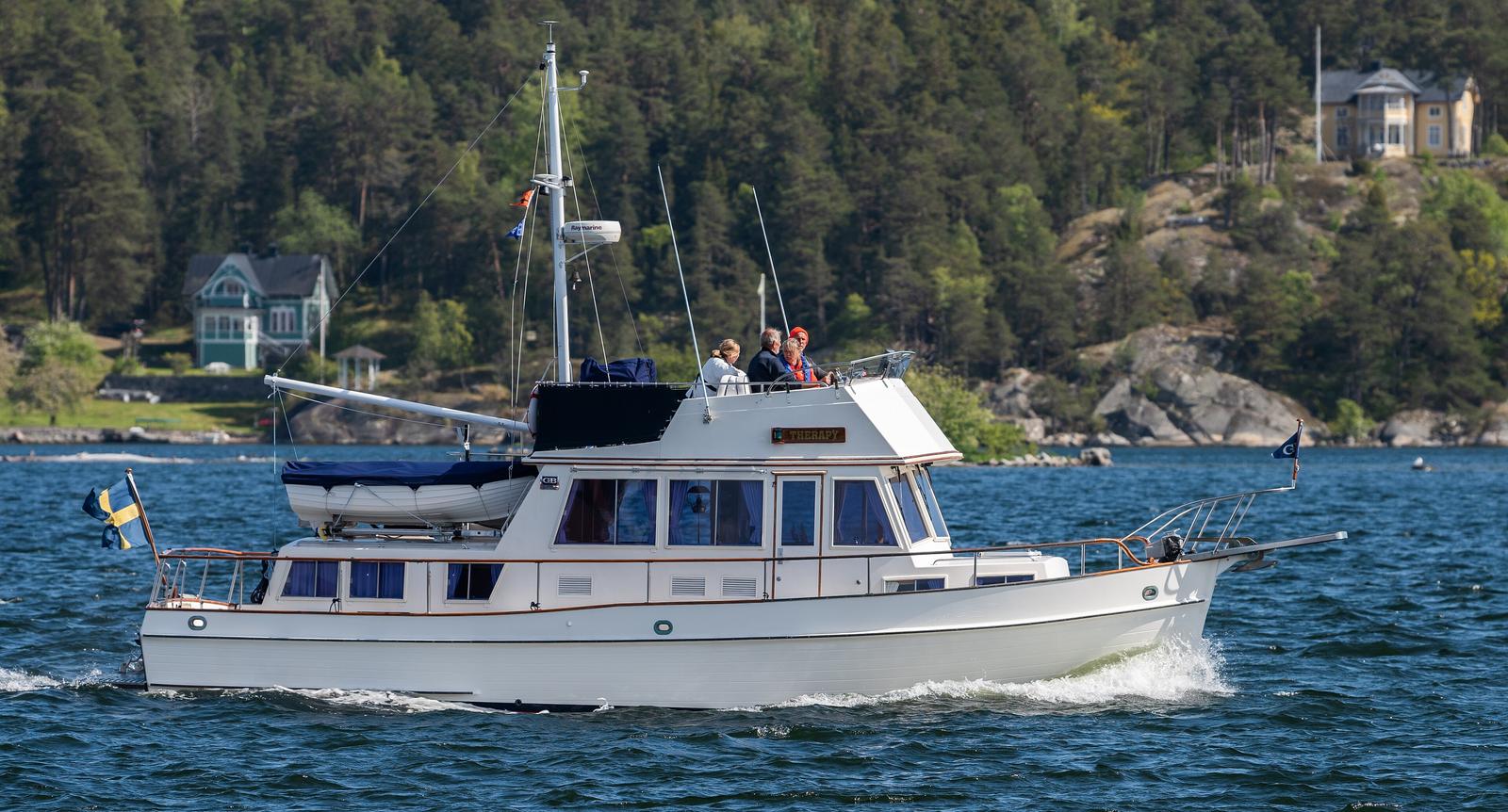
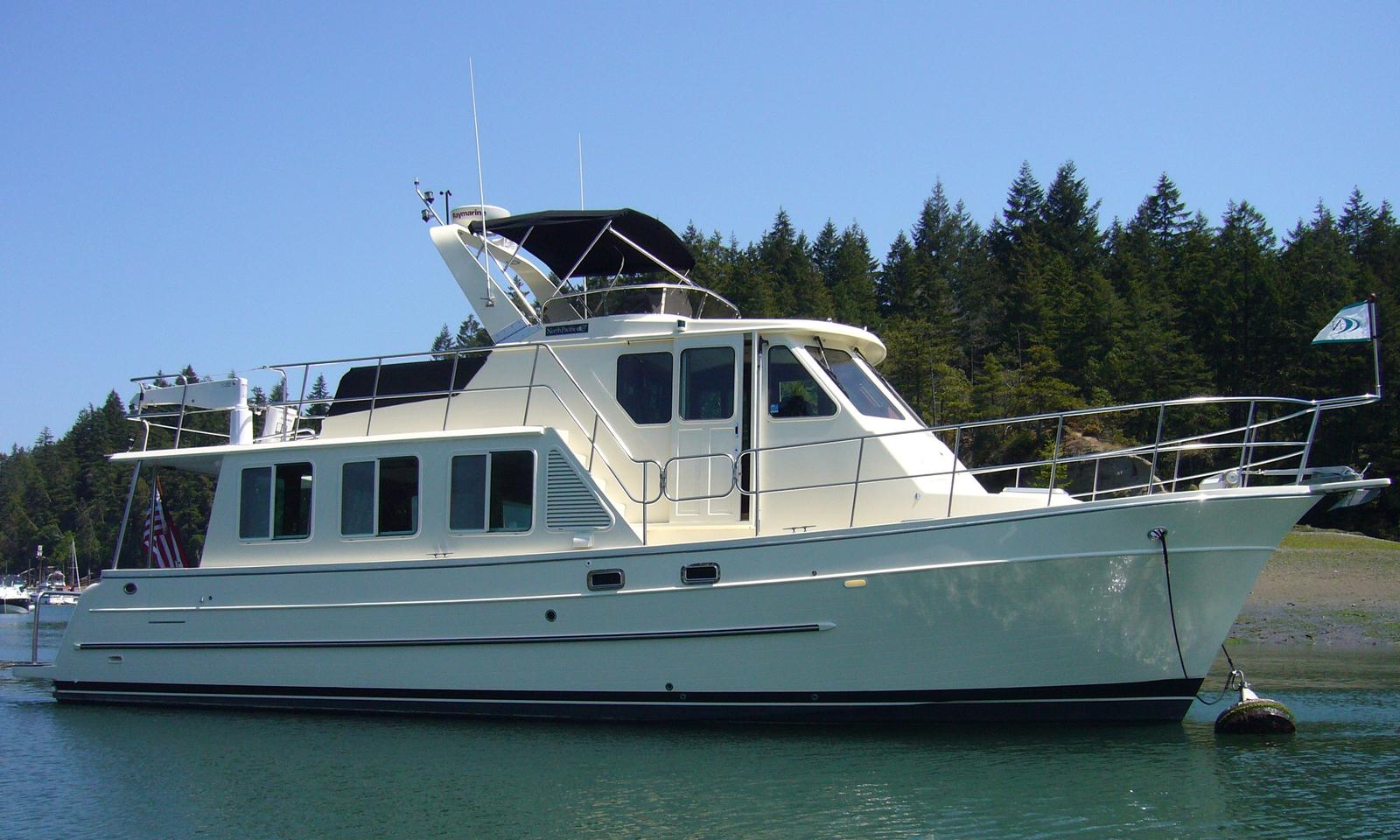
A trawler yacht takes its inspiration from working fishing vessels: a sturdy hull, efficient diesel power and a focus on range rather than speed. Classic trawlers use full or semi displacement hulls that move gracefully at modest speeds while using remarkably little fuel. Many modern trawlers, sometimes called fast trawlers, add semi planing hulls that can cruise faster when you need to while keeping the same efficient character at lower speeds.
Who it suits
Trawlers draw couples who want to travel, not just go out for the day. They are a favorite for owners planning extended cruising, seasonal living aboard, or adventures like the Great Loop. Many trawler owners are retirees or nearing retirement, ready to spend weeks or months on the water. Others are younger couples who simply love the idea of a floating home.
Typical sizes and layouts
Trawlers are commonly found from the mid 20 foot range up past 60 feet, with popular cruising sizes landing between roughly 35 and 55 feet. Typical features include:
- A pilothouse or salon helm with excellent visibility
- A home like salon and galley, often with generous storage
- One to three staterooms, usually with an owner's suite
- Wide side decks and protected walkways for safe line handling
- A flybridge on many models, plus a boat deck for a tender
Strengths and tradeoffs
**Strengths**
- Fuel efficiency and long range
- A stable, comfortable motion for living aboard
- Protected decks and a sense of security underway
- Generous storage for longer voyages
**Tradeoffs**
- Slower cruising speeds on displacement models, so passages take longer
- Weather windows matter more when you cannot outrun conditions
- Traditional designs may need more exterior wood care
Using it on Tampa Bay and the Gulf Coast
From St. Petersburg, a trawler invites unhurried exploration: south along the Intracoastal Waterway to Sarasota, Venice and Charlotte Harbor, onward to Naples and the Keys, or north toward the Big Bend and the start of the Gulf Coast leg of the Great Loop. Check draft carefully in the shallower stretches, and plan Gulf crossings around settled weather.
Buying tips
- Define your cruising plans first. Coastal hopping and long passages call for different equipment.
- Review engine hours alongside maintenance records. Well kept diesels can run a long time.
- Inspect fuel tanks, exterior teak and window frames for age and leaks.
- Spend a night aboard if you can, or at least several hours. Living space should feel right to you.
- We highly recommend an independent survey on every deal, plus an engine survey.
Find your trawler
If you are dreaming of slower days and longer voyages, we would love to help you find a trawler that fits your plans.