
Waterfront & Yacht Ownership · 1 min read
Florida Gulf Coast Boat Ownership: Storage, Costs, and Navigational Realities
Navigating vessel acquisition and long-term ownership along the Florida Gulf Coast demands a clear grasp of environmental exposures, storage strategies, and recurring overhead.
By Premium Yacht Marketplace Editorial ·
Waterfront & Yacht Ownership Companion
Written for boat owners and buyers, based on analysis from Waterfront Yacht Homes. Read the full waterfront analysis on Waterfront Yacht Homes.
Navigating vessel acquisition and long-term ownership along the Florida Gulf Coast demands a clear grasp of environmental exposures, storage strategies, and recurring overhead. From an economic standpoint, annual maintenance and repair allocations typically scale to roughly ten percent of a vessel's acquisition price or between one and two thousand dollars per foot in prime coastal regions. When incorporating marina fees, insurance mandates, financing, and depreciation, monthly operational commitments climb quickly. Practical ownership is heavily dictated by vessel configuration and water access.
In regions like Tampa Bay, Venice, and Sarasota, outboard engines offer distinct operational advantages over inboard systems due to ubiquitous shallow sandbars and shifting channels. Prospective purchasers must cross-reference vessel draft and overhead air clearance against fluctuating tides, shallow canals, and low bridges before finalizing dockage or home waterfront purchases. Mooring choices present fundamental operational trade-offs.
Keeping a boat in a wet slip accelerates marine fouling from algae and barnacles, demanding protective antifouling paint applications every twelve to twenty-four months and recurring monthly diver cleanings to safeguard running gear, anodes, and resale value. Wet slips also leave gelcoat and upholstery exposed to harsh elements unless covered. Conversely, dry-stack or warehouse lift storage dramatically reduces sun degradation and eliminates bottom fouling, but introduces launch logistics, advance scheduling with boatyards, and overhead clearance considerations. Mechanical reliability hinges on disciplined post-trip routines.
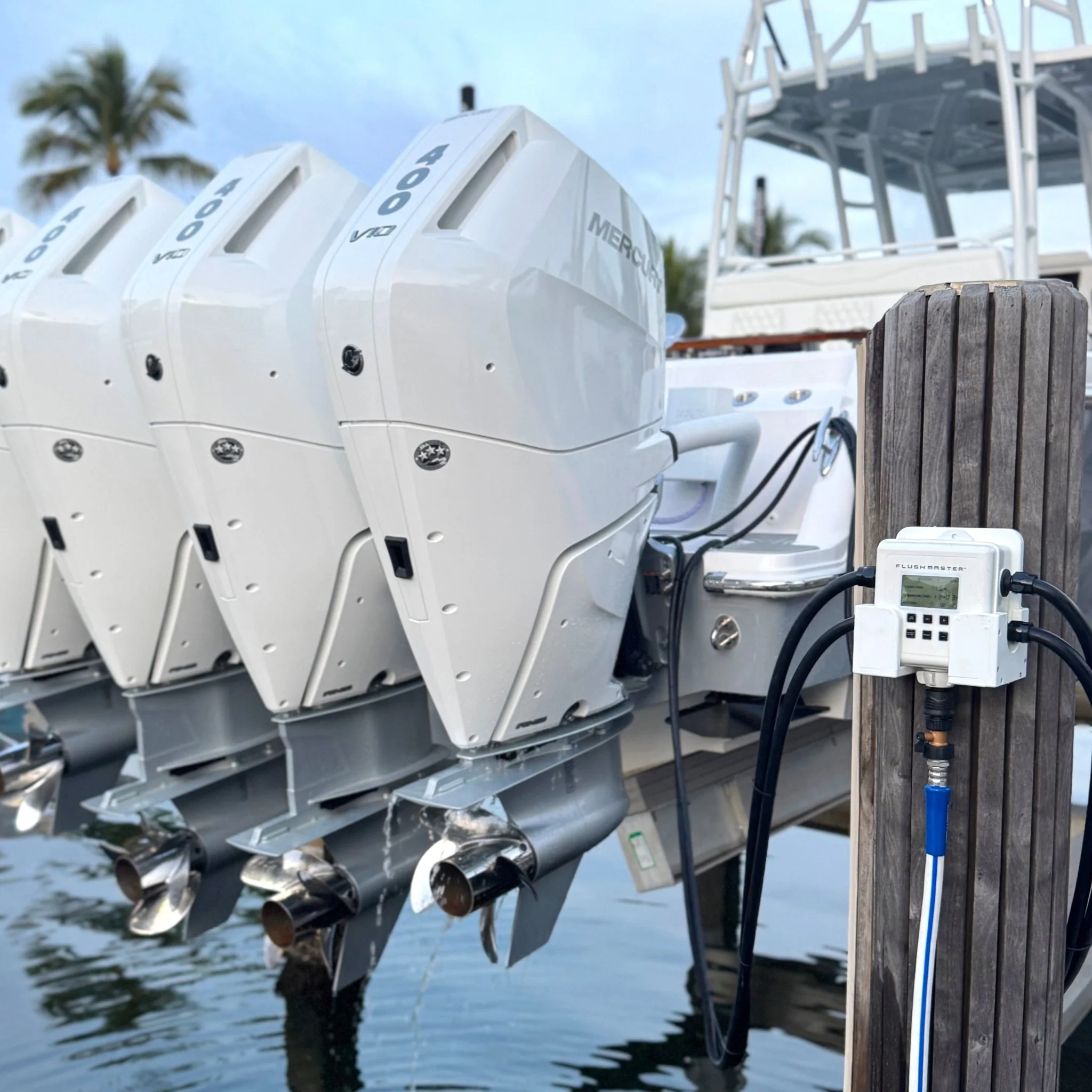
Saltwater demands an immediate freshwater engine flush after each outing to avoid salt crystallization that restricts cooling channels and damages thermostats. Critical components like water pumps and cooling systems necessitate inspections every two hundred operating hours or twelve months. Diligent preparation across local navigation, storage logistics, and upkeep cycles ensures Florida coastal boating remains sustainable rather than overwhelming.
Next on Premium Yacht Marketplace
Saltwater Boat Maintenance Realities on Florida's Gulf Coast
Talk to a broker
Working through a specific boat?
We answer every inquiry personally. Send the boat, the year, and what you're trying to decide.